/ Technologies



/
article
/
In recent years, the term omnichannel has become increasingly common in retail. But what does it mean from the customer’s perspective? What does it mean for merchants? And how can businesses prepare for it effectively? If these questions interest you, you’re in the right place.
Linguistically, the word omnichannel consists of two parts — omni and channel. The prefix omni means “all,” while channel refers to a “communication or sales channel.” Together, the term represents “all channels.”
Omnichannel = omni (“all”) + channel (“communication or sales channel”) — integration of all channels into one unified experience.
Omnichannel means integrating all sales and communication channels into a seamless experience. A typical purchase journey consists of research, product selection, purchase, and possibly returns or complaints. With a true omnichannel system, the customer can complete any of these steps using any combination of channels — and always get the same experience. Whether they shop online, in-store, or via phone, the process feels consistent and effortless.
In other words, the customer can focus entirely on shopping, without worrying that service quality differs between channels. For example, an in-store salesperson should be as knowledgeable as an online chat agent.
The principle of omnichannel can be illustrated as follows:
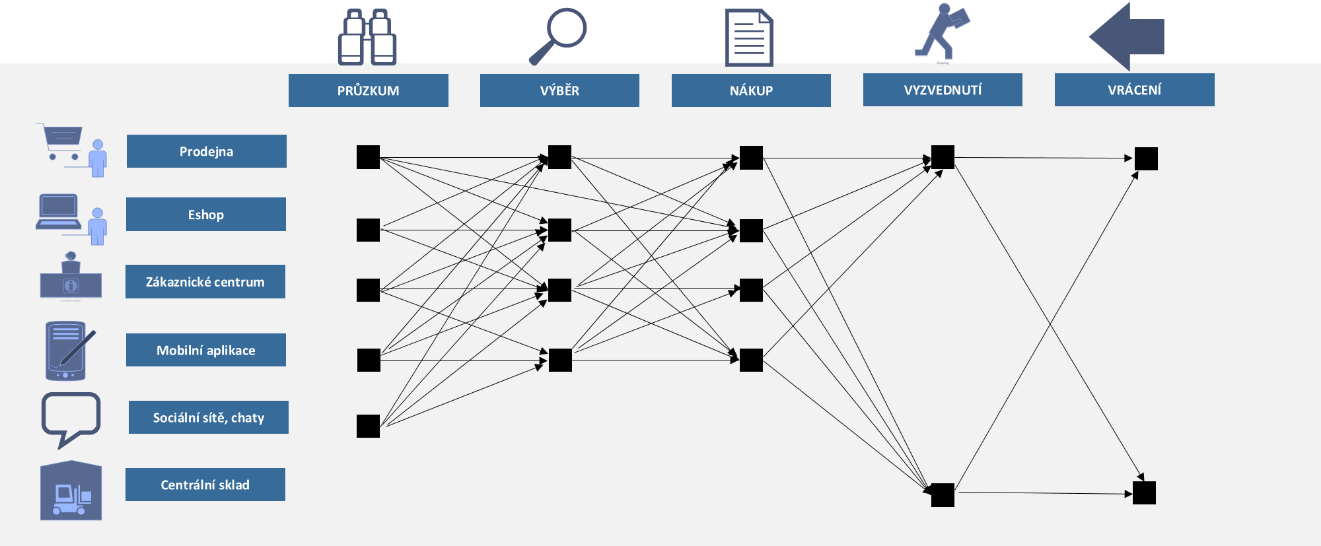
Modern customers increasingly expect omnichannel experiences by default, putting pressure on businesses to adapt quickly. However
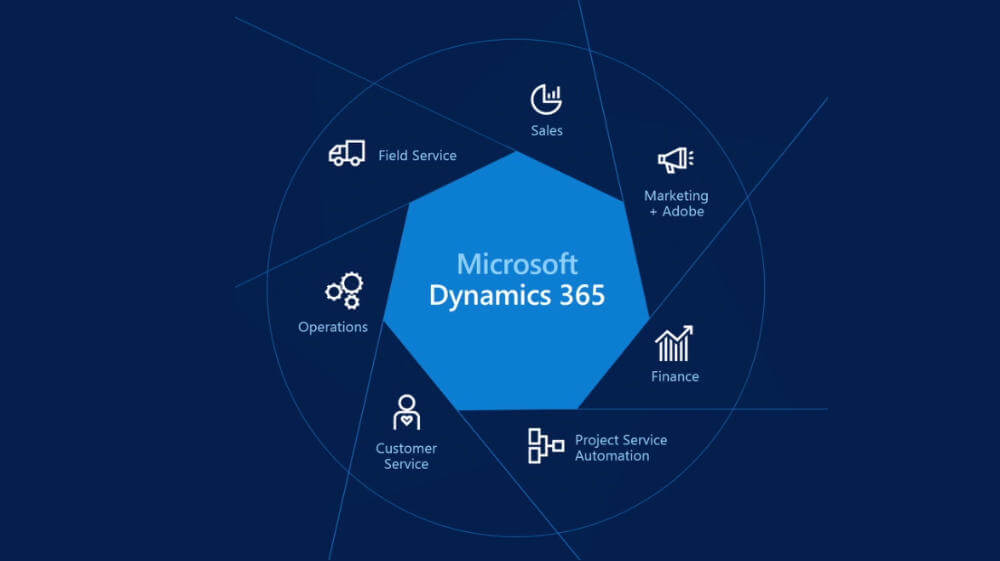
10 key components of Dynamics 365
/ Laten we praten — of u nu al weet wat u nodig hebt of gewoon de mogelijkheden wilt verkennen.

B/ue Dynamic NL
Lange Viestraat 2 B, 3511 BK Utrecht
Netherlands
Blue Dynamic, B.V.
KVK: 83303308
BTW: NL862820972B01
B/ue Dynamic CZ
Prazska 239, 250 66 Praag
Tsjechische Republiek
Blue Dynamic, s.r.o.
ICO: 02339234
DIC: CZ02339234